
Learn more about rapid detox.
Opiate detox under anesthesia is one of the newest treatment options available to people who are addicted to prescription medications. Find out if you are a good candidate for this procedure by learning what it is and what advantages it can offer you in your efforts to regain your sobriety. Patients are commonly addicted to prescription medications such as:
Suboxone
Hydrocodone
Oxycodone

What is Opiate Detox Under Anesthesia?
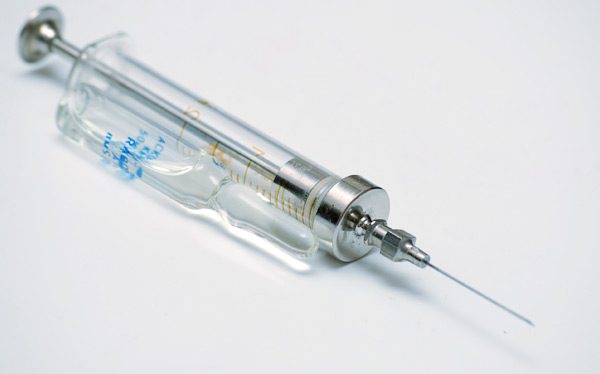
Opiate detox under anesthesia is a procedure that is designed to shorten the drug detoxification process on your body. People who go through this procedure are put under a brief sedation during which they are given a medication called naloxone, which is an opiate antagonist that eliminates the presence of the addicted medication from their bodies and attempts to lessen their physical cravings for it after they awaken.
During the detox process, you can expect to undergo a physical evaluation to determine if you are physically capable of withstanding the treatment.
Candidacy for Opiate Detox Under Anesthesia
As effective as this procedure is, it still is reserved solely for addicts who are physically and emotionally stable enough to withstand this unique detox process. Your doctor must ensure that you have a minimal chance of experiencing ill side effects like an allergic reaction to the naloxone or organ failure during sedation.
As such, your physical examination will determine whether or not you are a good candidate for the detoxification. Your physician may clear you to undergo the procedure if you are free from conditions like high blood pressure, heart failure, kidney malfunction, diabetes, and other illnesses that could compromise your health and chances for recovery.

You also must be addicted to one of the prescription medications for which this detox measure is designed. The procedure exists to help people overcome addictions to medicines like hydrocodone, suboxone, and oxycodone. It is not meant for people who are addicted to cocaine, alcohol, and other illicit substances.
Your candidacy will also depend greatly on what kinds of medicines you take on a regular basis and whether or not those substances will negatively react to naloxone and other medications used during the sedation process. You must disclose a full list of both prescribed and over-the-counter medications that you take regularly. You also should tell your medical team about other drugs or alcohol that you use on a regular basis.
How is Opiate Detox Under Anesthesia Done?
You will be admitted to the hospital where you will remain under close observation and monitoring until you are released to the retreat center for recovery.
The procedure targets your physical need to take the drugs to which you are currently addicted. It also attempts to reduce severe withdrawal symptoms like shaking or vomiting. However, that is not to say that you will not suffer from minor post-procedural symptoms that could vary from physical pain to emotional distress.
What are the Advantages of Opiate Detox Under Anesthesia?
Opiate detox under anesthesia is unlike other drug treatment programs on the market. Because it is unlike other drug treatment options, it is not typically covered by most health insurers and tends to be more expensive. You may have to pay for your procedure out-of-pocket. However, many patients do not mind the higher price or the lack of coverage for the treatment because they are afforded a higher level of privacy and confidentiality. They do not have to worry about their employers or family members finding out about their drug treatment from an insurer.
This opiate detox program can also take less time to go through than traditional drug rehabilitation programs, which can take weeks or months to complete. When you want to maintain a certain level of discretion while recovering from your addiction as quickly as possible, this detox procedure could be the ideal choice for you.
treatment and assessment options.