


Procedures

The sedation used for rapid detox helps to enhance the patient's comfort. It is IV sedation, given through a simple intravenous line with medication that relaxes the patient to the point of sleep. No breathing tube of the type used with general anesthesia is needed, which avoids the lingering discomfort and painful swallowing a breathing tube can cause. Recovery from sedation is typically faster than recovery from general anesthesia.
Patient Evaluations

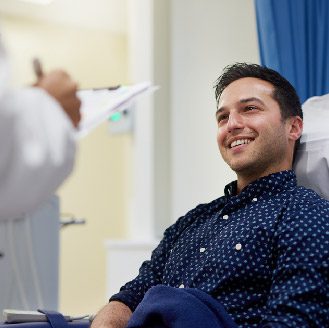
Every patient undergoes an individualized medical evaluation to determine whether the program is appropriate. Testing before admission includes blood work, EKG, chest x-ray, toxicology screening, and checks such as pregnancy and anemia. On Day 1 in the hospital, labs, imaging, EKG, and cardiac studies such as an echocardiogram are reviewed. Candidacy depends on opioid use history, medical history, overall physical condition, and results of labs and other studies. These results are used to create each patient's treatment plan.
Patient Care

After 2 days in the hospital, patients transition to a licensed recovery residence with 24-hour nursing observation. This time helps manage the side effects of withdrawal, such as mood changes. Therapy and counseling options are made available for interested patients, and counseling and recovery programs may be recommended after discharge.