

Stopping opiates can be physically and emotionally difficult, even for people who want to quit. Many describe withdrawal as one of the most intense experiences they have ever had. This reaction is not simply about discomfort or lack of willpower. It happens because opiates create real changes in the...

Opiates are powerful substances that can relieve pain, but they also carry a significant risk of overdose. This risk exists with prescription medications, illicit opioids, and synthetic substances such as fentanyl. Many overdoses happen unexpectedly, including among people who did not intend to misuse...

Beginning recovery is a major step, and the setting where detox takes place can have a meaningful impact on safety, comfort, and long-term success. As opioid use has become more dangerous and more medically complex, hospital-based detox matters more than ever. Today’s detox patients may be dealing with...

Opiates are a group of substances used to relieve pain, but they also carry a high potential for misuse, dependence, and overdose. They include prescription medications such as oxycodone, hydrocodone, morphine, codeine, and fentanyl, as well as illicit drugs like heroin. While these substances can play...

Starting recovery is about more than getting through withdrawal. Detox is often the first major step, but what happens during those early days can influence everything that follows. When detox is done in a hospital setting, patients often receive a stronger foundation for long-term success through medical...

Pain relief is one of the most common reasons people are introduced to opiates. After surgery, injury, dental procedures, or chronic pain diagnoses, these medications are often prescribed to help patients rest, heal, and function. When used appropriately, opiates can serve an important medical purpose....

Prescription painkillers are often introduced as a safe and effective way to manage pain after surgery, injury, or chronic conditions. For many patients, they serve an important purpose when used as directed. However, what is not always fully understood is how quickly these medications can shift from...
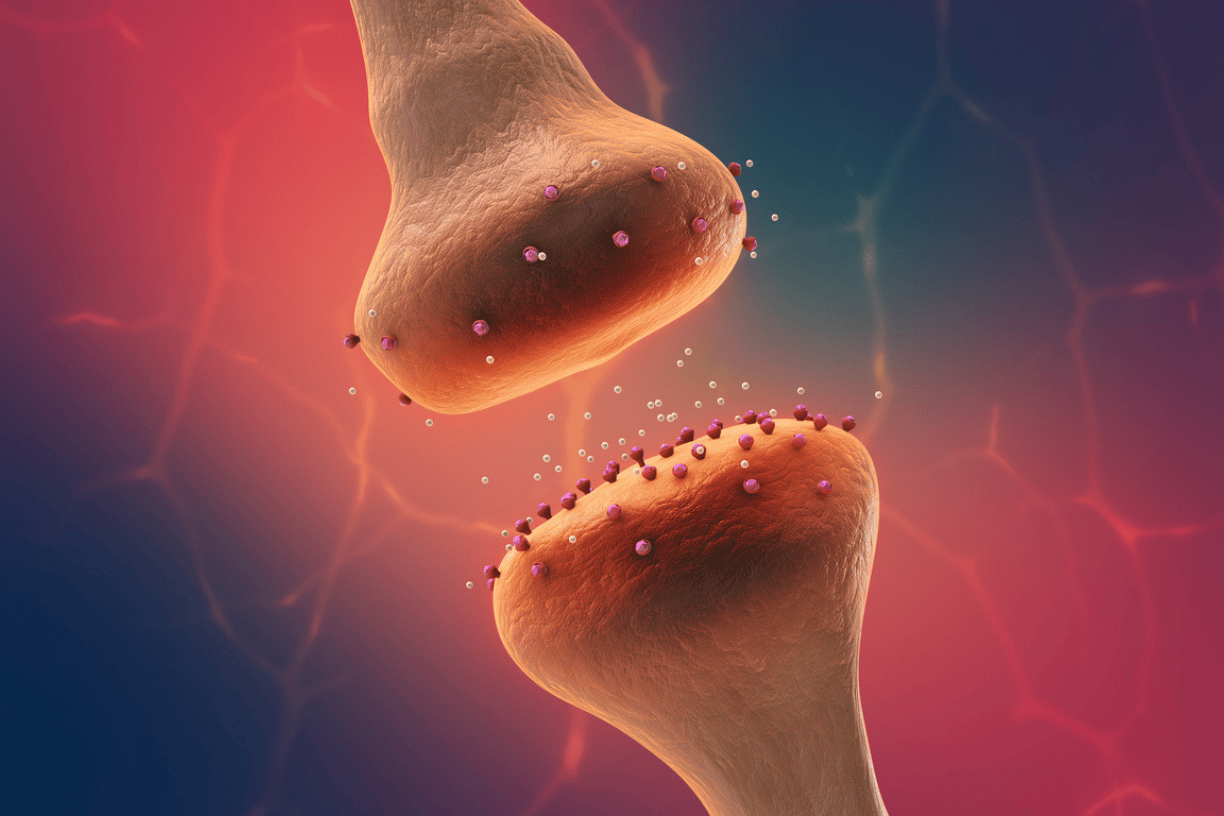
Opiates can create powerful changes in the brain, which is one reason cravings often continue long after someone decides to stop using them. Many people assume cravings are simply about willpower, but the reality is far more complex. Opiates affect the brain’s reward system, stress response, memory pathways,...

Understanding how the body reacts to certain medications is essential for protecting your long-term health. When a doctor prescribes an opiate for pain management, the goal is to provide relief and support your overall quality of life. Continued use of these powerful medications causes significant changes...

Recovery from opioid addiction is not just about quitting the drug. It is about building a new life that supports long-term sobriety and helps prevent relapse. The early days of recovery often feel like starting over, and that is exactly what makes this phase both difficult and full of potential.
Sobriety...

Opioid addiction is a formidable adversary, often characterized by the high risk of relapse during the recovery journey. However, in recent times, a promising approach known as rapid detoxification has emerged as a potential game-changer in combating relapse rates among individuals seeking recovery from...

Watching a loved one battle opioid addiction can be a heart-wrenching experience. Addiction can affect not only the individual but also their entire support network. If someone you care about is grappling with opioid addiction, it’s important to remember that your support and understanding can...
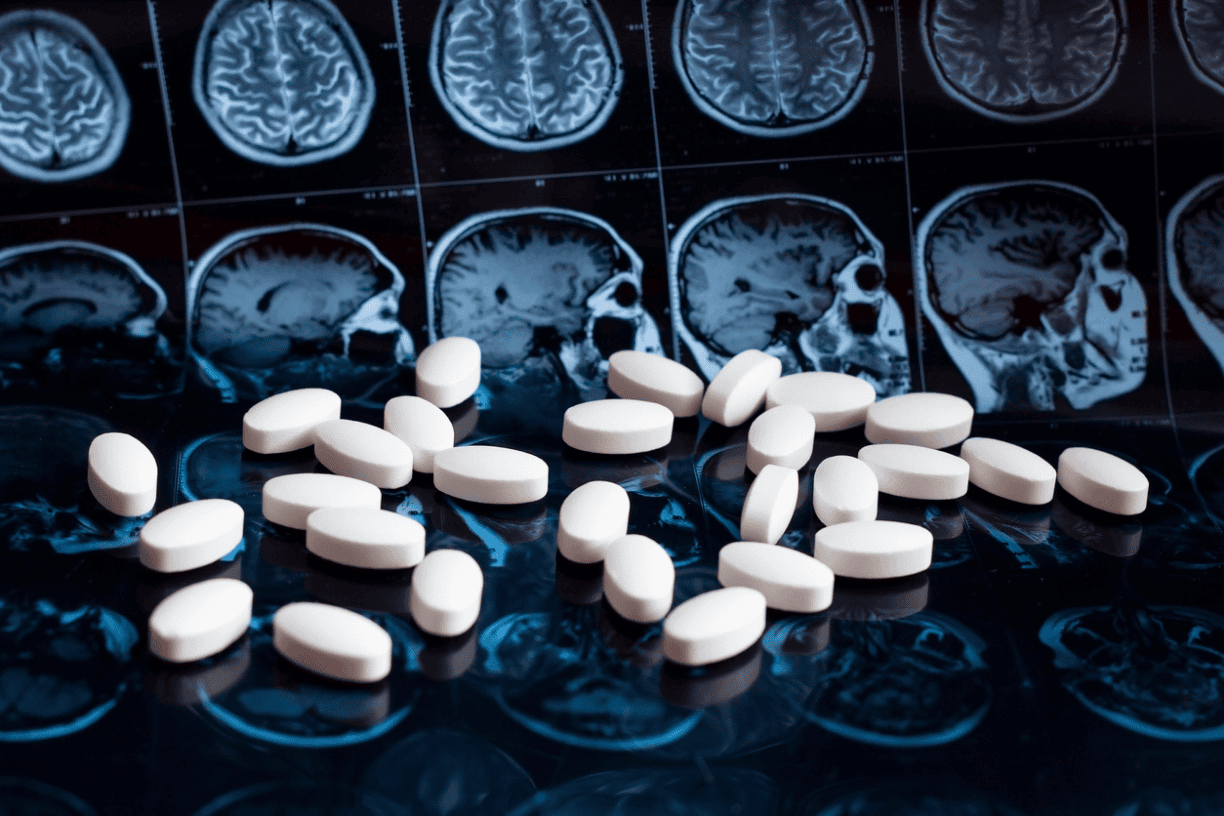
Opioid addiction is a complex and devastating disease that can have serious long-term effects on the brain and body. Opioids are powerful drugs that affect the central nervous system and can produce intense feelings of pleasure and euphoria. While these drugs can be helpful in managing pain, they also...

We recently entered a new year, and the opioid epidemic remains a major problem in the United States. A recent report by Bloomberg has estimated a surge in overdose deaths due to the rise of fentanyl in recent years.
According to the report, in 2021, more than 80,000 people died from opioid overdoses....

For the first time, in 2021 the number of overdose deaths surged past 100,000. The majority of overdose deaths were among individuals addicted to opiates. The pressures of the pandemic exacerbated the devastation of addiction and created a storm of death for the most vulnerable.
The pandemic kept this...

Opiates are a powerful and often deadly class of drugs that can include prescription painkillers like OxyContin and heroin. Yet they can be found in medicine cabinets across the US, with hundreds of thousands of people addicted to them.
An addiction can begin with a prescription to treat pain caused...

At the beginning of the COVID-19 pandemic, the DEA and all 50 states temporarily suspended safeguards for telehealth treatment for opioid use disorder. This meant that patients struggling with opioid use disorder were able to access much needed treatment without having to see a doctor in person. Out-of-state...

A recent study tracked nearly 300,000 U.S. seniors and found that nearly 17% were still taking opioids six months after hip surgery. At three months after surgery, the figure was close to 70% and during the first month, 84% of patients were on opioids.
Researchers said the numbers suggest that older...

In 2019, an estimated 11.4 million people misused opioids and among these 2.1 million people were addicted. Around 10% of misuers were only misusing heroin while around 5% were misusing both heroin and legal opioids. Among the misuers, around half generally obtained legally prescribed opioids from friends...

According to some estimates, more opioids are prescribed for acute pain sufferers than what those patients actually use. In an attempt to curb issues with excessive use, addiction, and abuse related to powerful painkillers, more states are setting prescribing limits. Some of these restrictions also apply...

Whether you’re taking a prescription medication for chronic pain or for temporary pain that resulted from an injury, it’s possible to become addicted to these medications, which occurs when your brain and body are no longer able to stop taking the medication without suffering from severe...

If you suspect that someone you care about has been using heroin or other types of opioids, there are a few signs that you might notice after spending some time with them. You can use this information to discuss next steps with a qualified professional.
All in the Eyes
When you talk to your loved one,...

Heroin is a drug that often takes over the body and mind like a thief in the night. Use of the drug often begins slow and steady, but as the body develops a resistance to the drug’s impacts, the person needs more and more to get the same high that only a small amount did in the beginning. If you...

Opiates are among the most addictive drugs that a person can use with heroin being at the top of the list of those drugs. Sometimes, you might not realize that someone else is using heroin because they hide the marks on the arms from the needles or try to maintain a normal life while overcoming the feelings...

Long-term opioid use is sometimes prescribed for patients with chronic pain, such as headaches, back pain and arthritis. One-third of Americans deal with chronic, non-cancer-related pain. As opioid medications were increasingly used to manage chronic pain, the rate of overdose deaths related to opioids...

In 2017, prescriptions for opioids dropped 12 percent. This is believed to be the most dramatic drop in opioid prescriptions in nearly a quarter century. Additionally, more doctors are exploring alternatives to powerful pain medications because of the risks that come with even short-term use of such...

Thanks to public awareness campaigns, more people are aware of the opioid addiction crisis in this country. Even so, many people each year still fall prey to opioids and find themselves dependent on these substances. You can help yourself or a loved one overcome an addiction to opioids by learning how...

Opioids are often given to patients who visit emergency rooms with complaints of acute (sudden) pain. While the reason for doing so is to provide fast relief for patients experiencing significant discomfort, a new study suggests over-the-counter medications may be just as effective in some instances....

Derived naturally or synthetically from the opium plant, opiates are a class of drugs that were all originally produced for the purpose of providing pain relief. While not all opiates are used for their intended purpose today, there are many narcotic painkillers commonly used to help patients with severe...

Over two decades ago, the term “neonatal abstinence syndrome” was relatively unheard of in many states. However, it is different now as it has become quite a common occurrence in the newborn intensive care units (NICUs) in the United States. Babies with the syndrome were born with drug dependency.
According...

Opiate addiction often develops over time. In some instances, the abuse of opiates is intentional, as may be the case if someone is purposely seeking illegal narcotics like opium or heroin. An addiction to opiates can also be unintentional and stem from the use of prescription medications like oxycodone...

Opiates are the oldest class of drugs in the world still in use today. Every drug in this category is, or was originally meant to be, a pain reliever. For many people who develop a dependence on one or more opiates, the path to addiction often starts when these drugs are taken primarily for their euphoric...

More than 200 million prescriptions are written for opiate drugs each year. These narcotic analgesics, including powerful medications such as Morphine and codeine, are only meant to be used short-term for pain relief purposes because these drugs are highly addictive. Because of the rapid increase in...
Among the world’s oldest drugs used for medicinal purposes, opiates can serve a useful purpose for patients dealing with severe or chronic pain. However, medications like OxyContin, morphine, and fentanyl are only meant to be used short-term because of the addictive nature of these drugs. The reason...

A wide range of drugs can be classified as opiates, including legal, prescription medications such as codeine and morphine and illegal “street drugs” like heroin. When taken as directed and used for the short-term relief of chronic pain, opiate drugs can be effective and safe. Unfortunately,...

The intended use of opiate drugs is to provide relief for moderate-to-severe pain. It’s the way opiates work within the brain that sometimes creates a physical dependence to these drugs. Addiction to opiates often develops over time due to prolonged use, which can make it difficult to stop taking...