
Learn more about Kratom and its uses, side effects, and more.
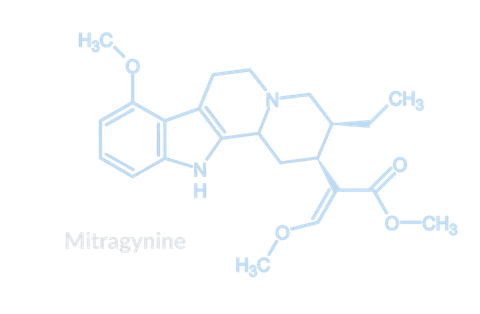
Kratom is a tropical tree native to Southeast Asia whose leaves contain compounds that act on the same brain receptors targeted by opioid medications. It is not currently a federally scheduled substance in the United States, though the DEA classifies it as a drug of concern and the FDA has not approved it for any medical use. Several states and municipalities have banned or restricted its sale, and regulations continue to shift. People commonly turn to kratom for pain relief, increased energy, or to manage opioid withdrawal on their own, but its effects change significantly with dose, and the risks are frequently underestimated.
Binding to opioid receptors in the brain at higher doses to dull pain and produce sedation
Stimulating receptors at lower doses to increase alertness, energy, and sociability

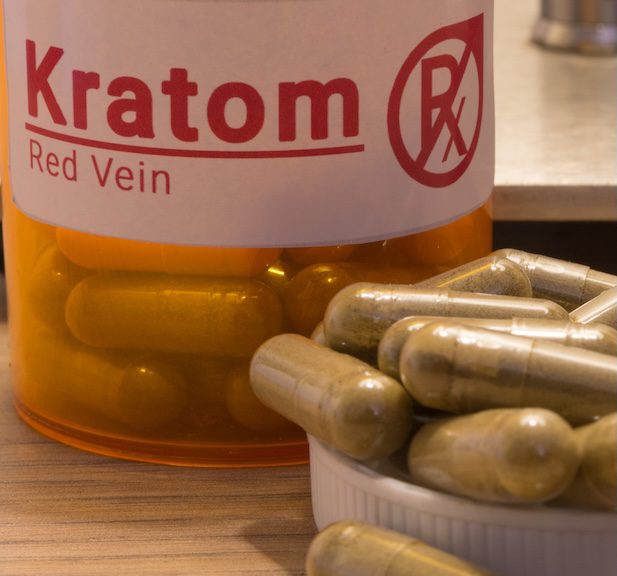
Kratom is sold under names including ketum, biak, thang, kakuam, and thom. It is available as capsules, tablets, powders, gums, extracts, and concentrated liquid shots, and the raw leaves are also chewed or brewed into tea. Because it is marketed as an herbal supplement rather than a regulated medication, potency varies widely between products and between batches from the same supplier. Independent testing has found kratom products contaminated with heavy metals and bacteria, and some concentrated extracts contain far higher alkaloid levels than dried leaf material, which increases the likelihood of adverse reactions.
Uses
Kratom has no FDA-approved medical use, so all reported benefits come from traditional practice and self-reported experience rather than clinical approval. In Southeast Asia, laborers have chewed the leaves for generations to reduce fatigue and improve stamina during long work hours, and the plant has been used in folk medicine for cough, diarrhea, and pain. In the United States, most people who use kratom do so to manage chronic pain or to ease the symptoms of opioid withdrawal without medical supervision. Others use it for energy, focus, or mood. The dose determines which effects appear, with lower amounts producing stimulant effects and higher amounts producing sedative and opioid-like effects.
More common uses include:
Side Effects
Potential side effects vary based on the dose, the form of kratom used, the concentration of active compounds in the product, and whether an individual is taking other substances or medications. Mild side effects may include nausea, vomiting, itching, dry mouth, constipation, sweating, increased urination, loss of appetite, dizziness, and drowsiness. More serious effects include rapid heart rate, elevated blood pressure, tremors, confusion, hallucinations, seizures, and liver injury. Respiratory depression has been reported, particularly when kratom is combined with other sedating substances such as alcohol, benzodiazepines, or opioids. Because product potency is inconsistent and unregulated, a dose that produces mild effects one time may produce severe effects the next.
Tolerance and Dependence
Tolerance to kratom develops quickly with regular use, and people often find themselves increasing both the amount and the frequency of use to achieve the same effect. Physical dependence can follow within weeks of consistent use, and it develops faster with concentrated extracts than with traditional leaf preparations. Many people begin using kratom specifically to get off opioids and later discover that they have replaced one dependence with another. Because kratom is sold legally in many areas and is widely marketed as a natural or harmless supplement, dependence often goes unrecognized until an attempt to stop produces withdrawal. Individuals who use kratom heavily or in combination with other substances face a higher risk of dependence and of complications during withdrawal.
Withdrawal Symptoms
By the time dependence develops, kratom has typically been used consistently for weeks or months, often at escalating doses. Withdrawal symptoms generally resemble those of mild to moderate opioid withdrawal and usually begin within 12 to 24 hours after the last dose. The intensity and duration depend on how long kratom has been used, how much was being taken, and whether other substances are involved. These symptoms may include:
Kratom is often assumed to be safe because it is plant-based and widely available, but it acts on the same receptors as prescription opioids and carries a real risk of dependence. If a dependence develops, treatment includes a supervised withdrawal from kratom along with any other substances an individual may be taking. Anyone using kratom to manage chronic pain or to self-treat opioid withdrawal should know that evidence-based alternatives exist and can be introduced under medical supervision, without the unpredictability that comes with an unregulated product.
treatment and assessment options.