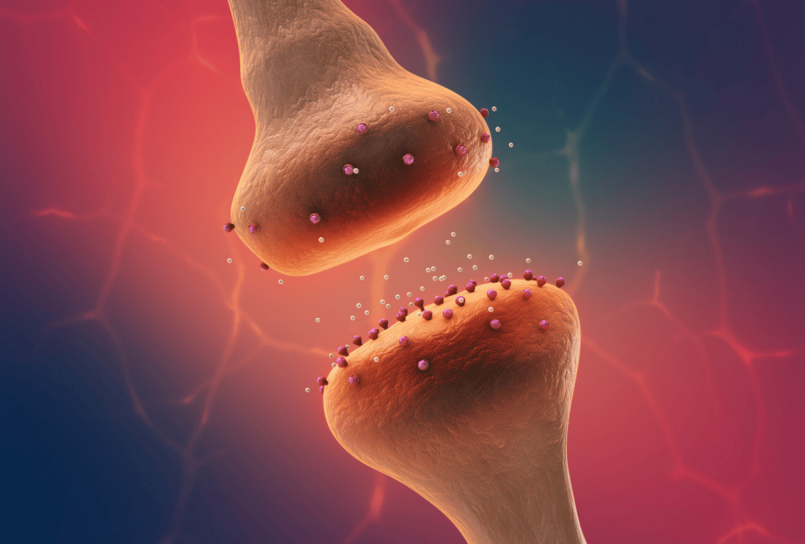
Opiates can create powerful changes in the brain, which is one reason cravings often continue long after someone decides to stop using them. Many people assume cravings are simply about willpower, but the reality is far more complex. Opiates affect the brain’s reward system, stress response, memory pathways, and decision-making centers. These changes can make urges feel intense, even when a person genuinely wants recovery.
How Opiates Affect the Reward System
Opiates such as oxycodone, hydrocodone, heroin, morphine, and fentanyl attach to opioid receptors in the brain. This triggers the release of dopamine, a chemical linked to pleasure, motivation, and reinforcement. The brain quickly learns to associate opiates with relief, comfort, or euphoria.
Over time, the brain begins to prioritize the substance because it creates a stronger dopamine response than many everyday experiences. Activities that once felt rewarding, such as hobbies, relationships, or accomplishments, may seem less satisfying by comparison.
Why the Brain Starts Wanting More
With repeated use, the brain adapts. It may reduce its natural dopamine production or become less responsive to normal rewards. This can leave a person feeling flat, unmotivated, anxious, or emotionally drained without the drug.
As tolerance develops, more of the substance may be needed to create the same effect. This cycle strengthens the brain’s learned connection between opiates and relief, making cravings more persistent.
Memory and Triggers Play a Major Role
The brain stores memories tied to substance use. Places, people, emotions, smells, music, or stressful situations can reactivate those pathways. Someone may suddenly feel a craving after driving past a familiar location or experiencing a difficult day.
These triggers are not signs of failure. They reflect conditioned brain responses that developed over time. Even after detox, those memory circuits can remain active.
Stress Can Intensify Cravings
Opiates also affect the brain systems involved in stress regulation. After repeated use, stress may feel harder to manage naturally. Anxiety, conflict, sleep deprivation, or emotional pain can trigger strong urges because the brain remembers opiates as a fast way to escape discomfort.
This is one reason relapse risk can increase during periods of high stress.
Why Cravings Can Last After Withdrawal Ends
Physical withdrawal symptoms usually improve faster than the brain fully recovers. While nausea, body aches, and insomnia may fade, the brain may still be healing from changes in dopamine signaling and stress regulation.
That means a person can feel physically better while still experiencing mental cravings, mood swings, or low motivation. This stage can be frustrating if it is not expected.
Healing Takes Time
The brain has the ability to recover, but it often happens gradually. As time passes without opiate use, reward pathways can begin to rebalance. Natural sources of pleasure and motivation may slowly return.
Recovery often improves with:
- Structured treatment programs
- Counseling or behavioral therapy
- Stress management strategies
- Exercise and movement
- Healthy sleep habits
- Support groups or accountability systems
- Medical care when appropriate
Why Treatment Matters
Cravings are not simply a lack of discipline. They are rooted in real neurological changes caused by repeated opiate exposure. Effective treatment addresses both the physical and psychological sides of recovery.
Medical detox, inpatient support, therapy, and continued aftercare can help reduce relapse risk and give the brain time to heal in a safer environment.
Moving Forward
Cravings can feel discouraging, but they do not last forever. They are often a sign that the brain is recovering from a powerful substance, not a sign that recovery is impossible. With proper support and enough time, those urges typically become less frequent, less intense, and easier to manage.